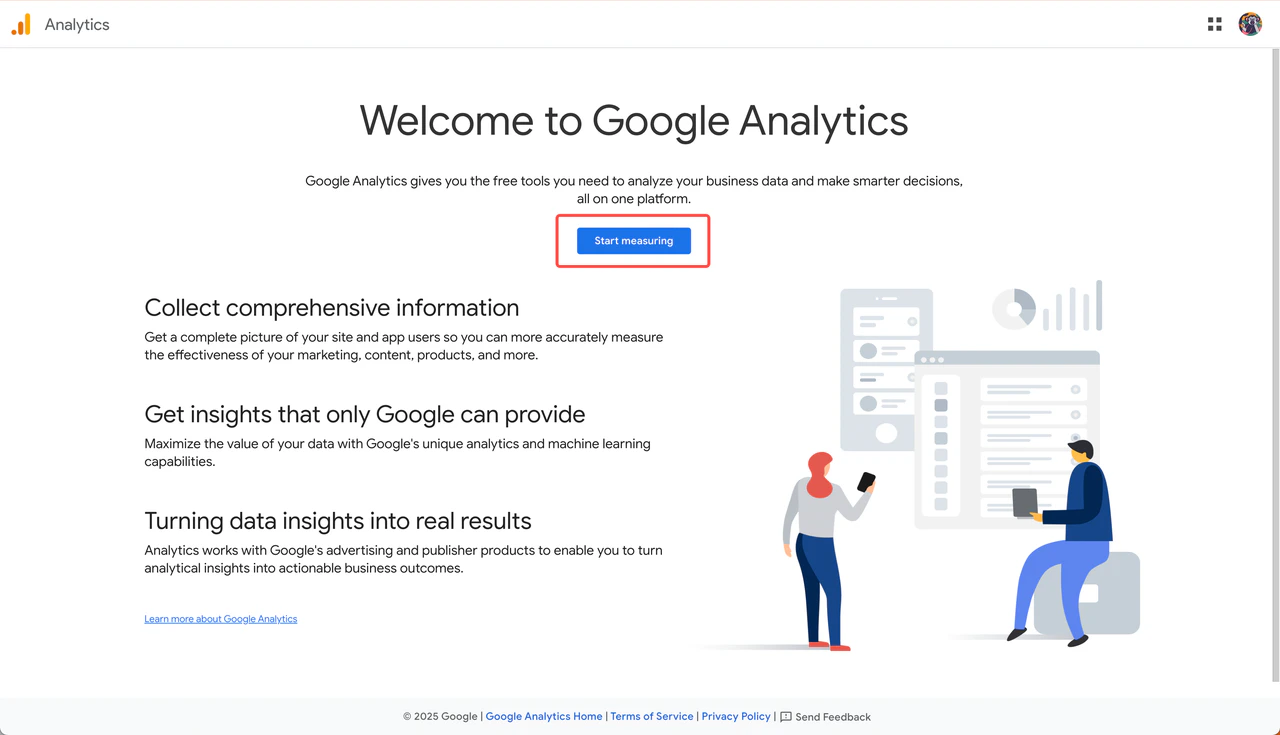
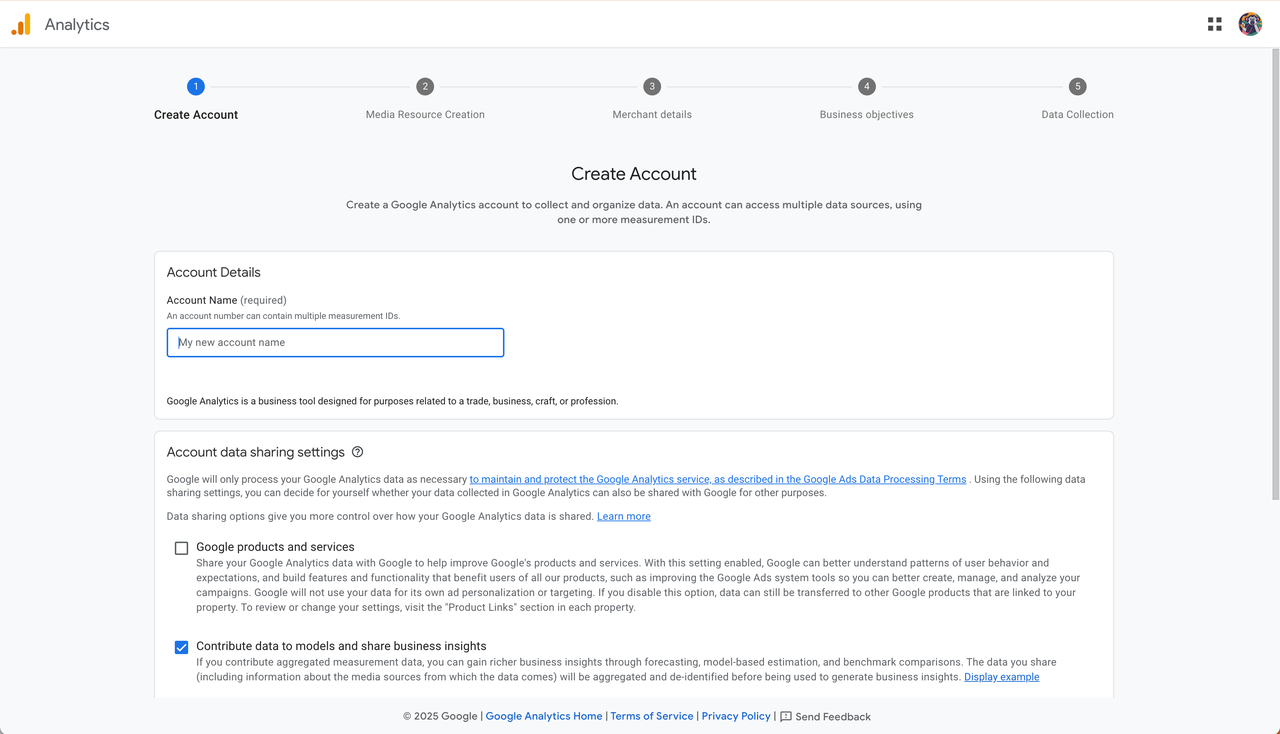
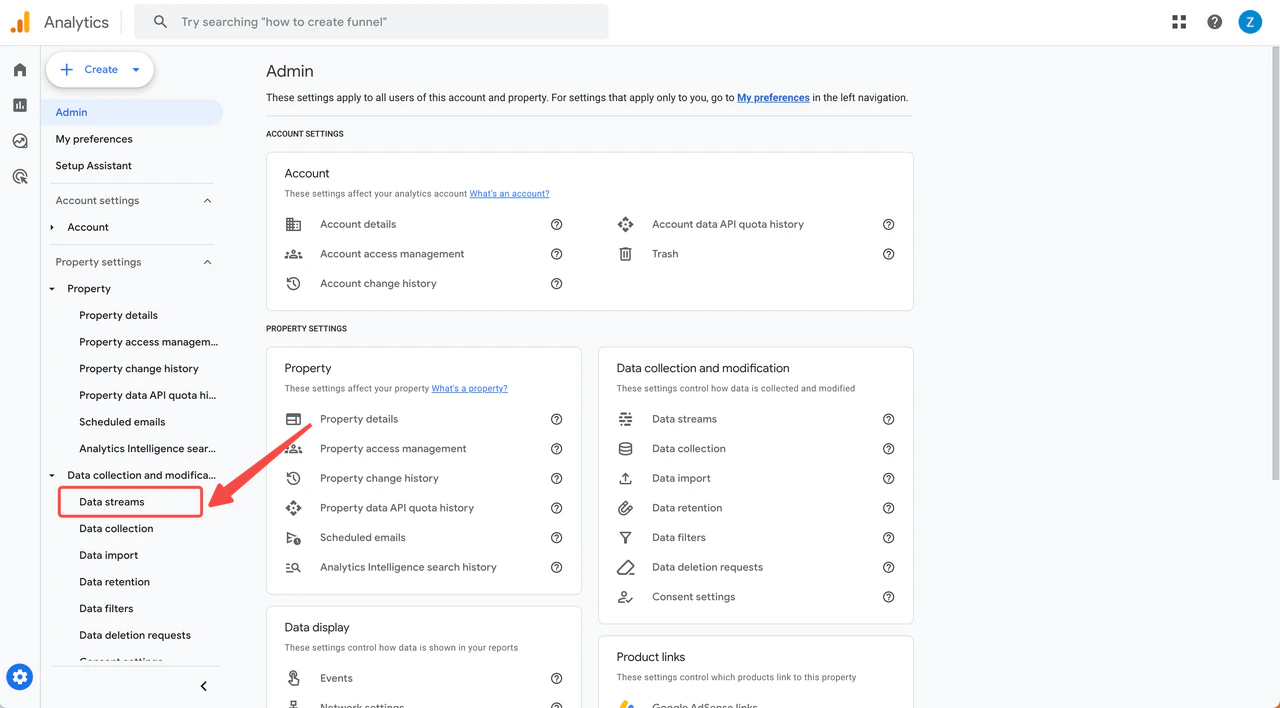
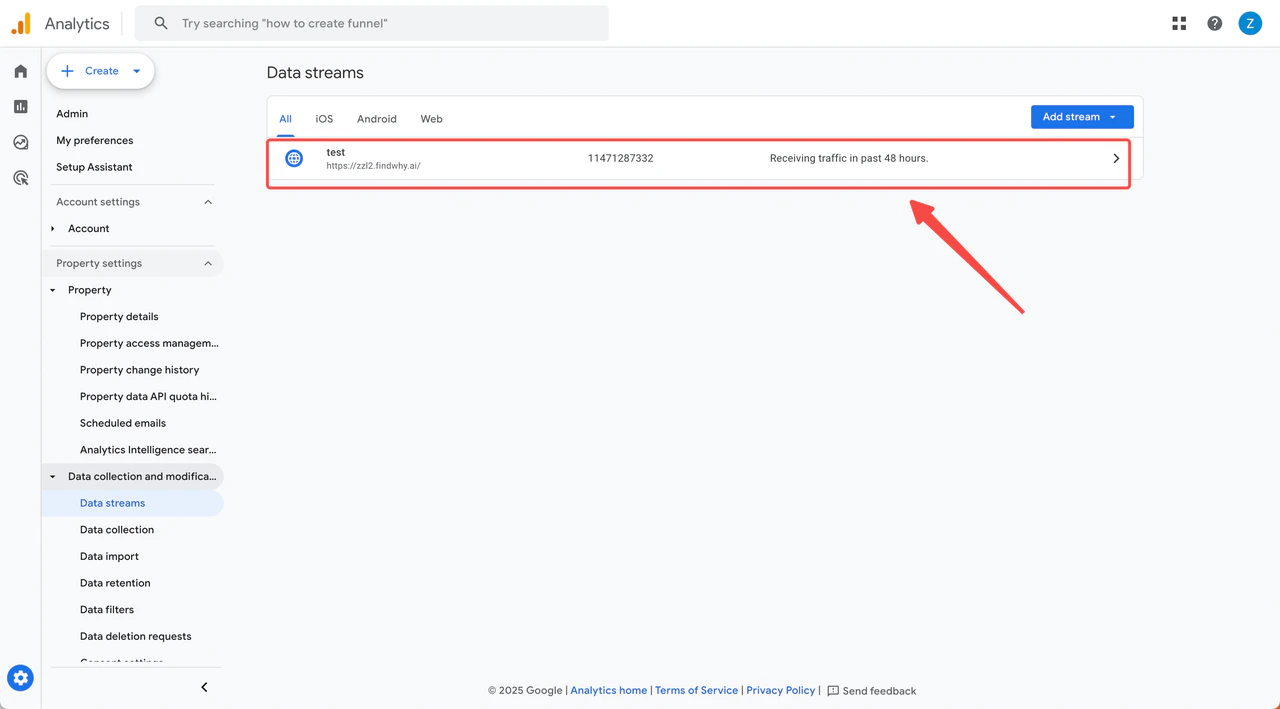
Follow the setup steps to configure your GA account.
3
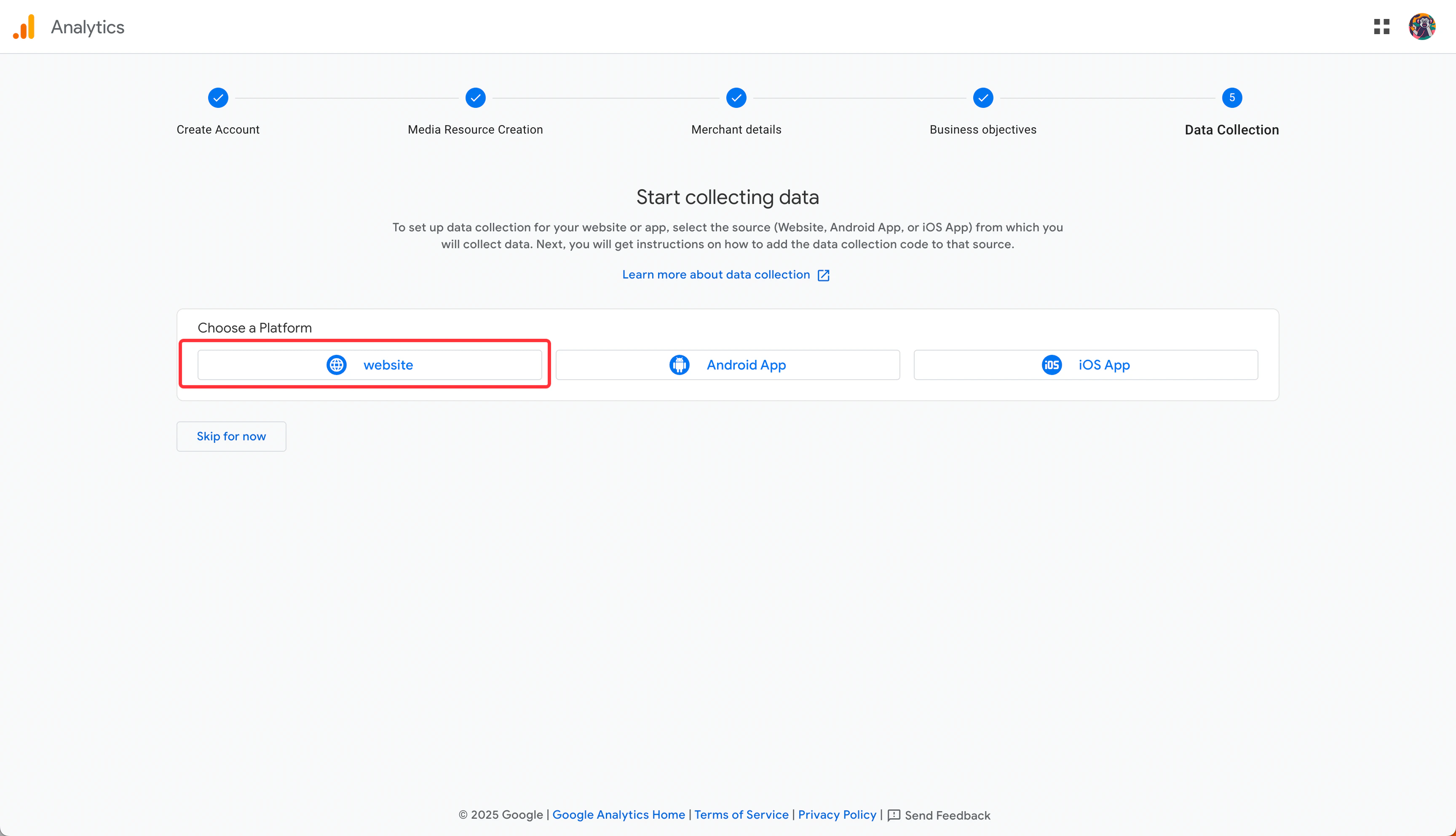
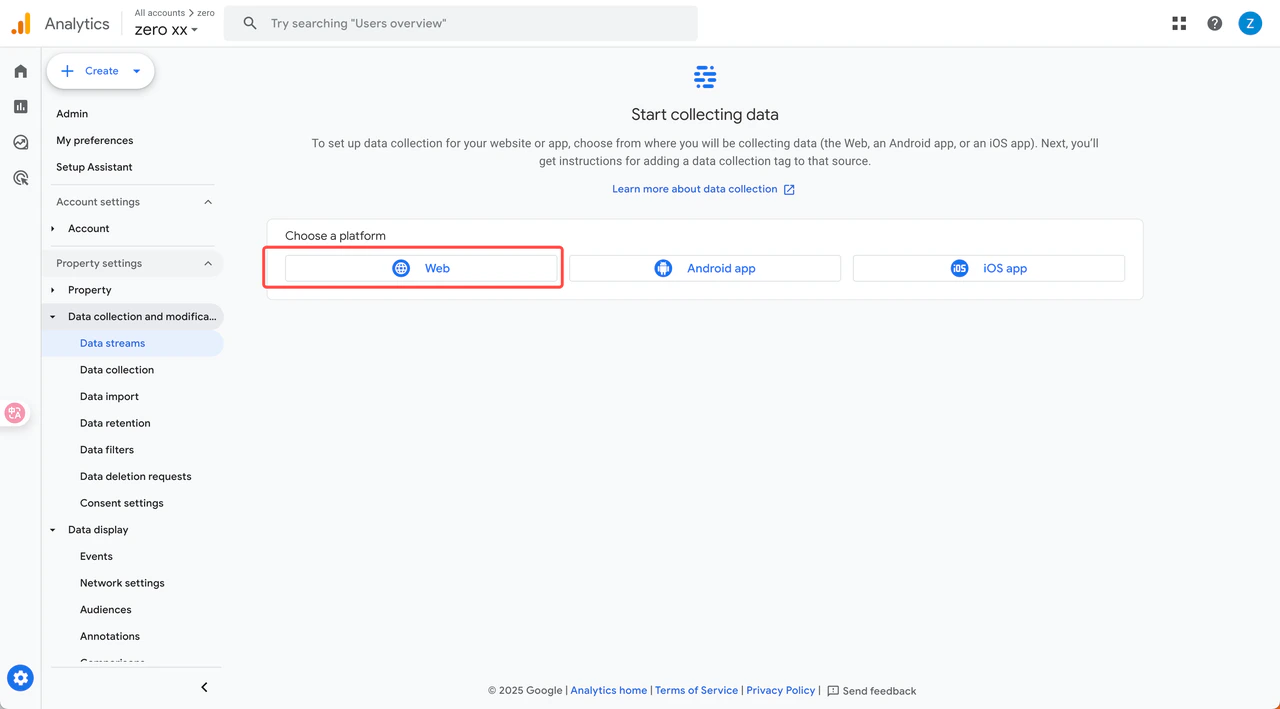
Step 3: Select Platform
When you reach “Data Collection”, select “Web” as your platform type.
Note: Readdy currently only supports website projects.
4
Step 4: Set Up Data Stream
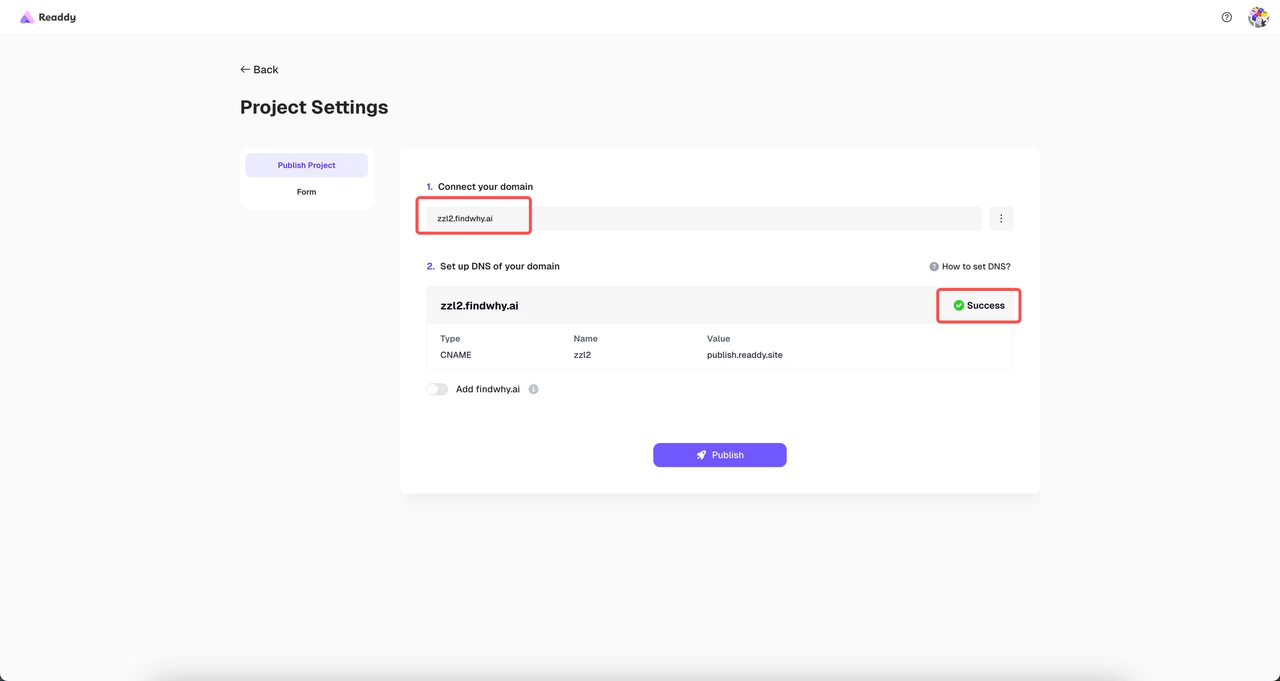
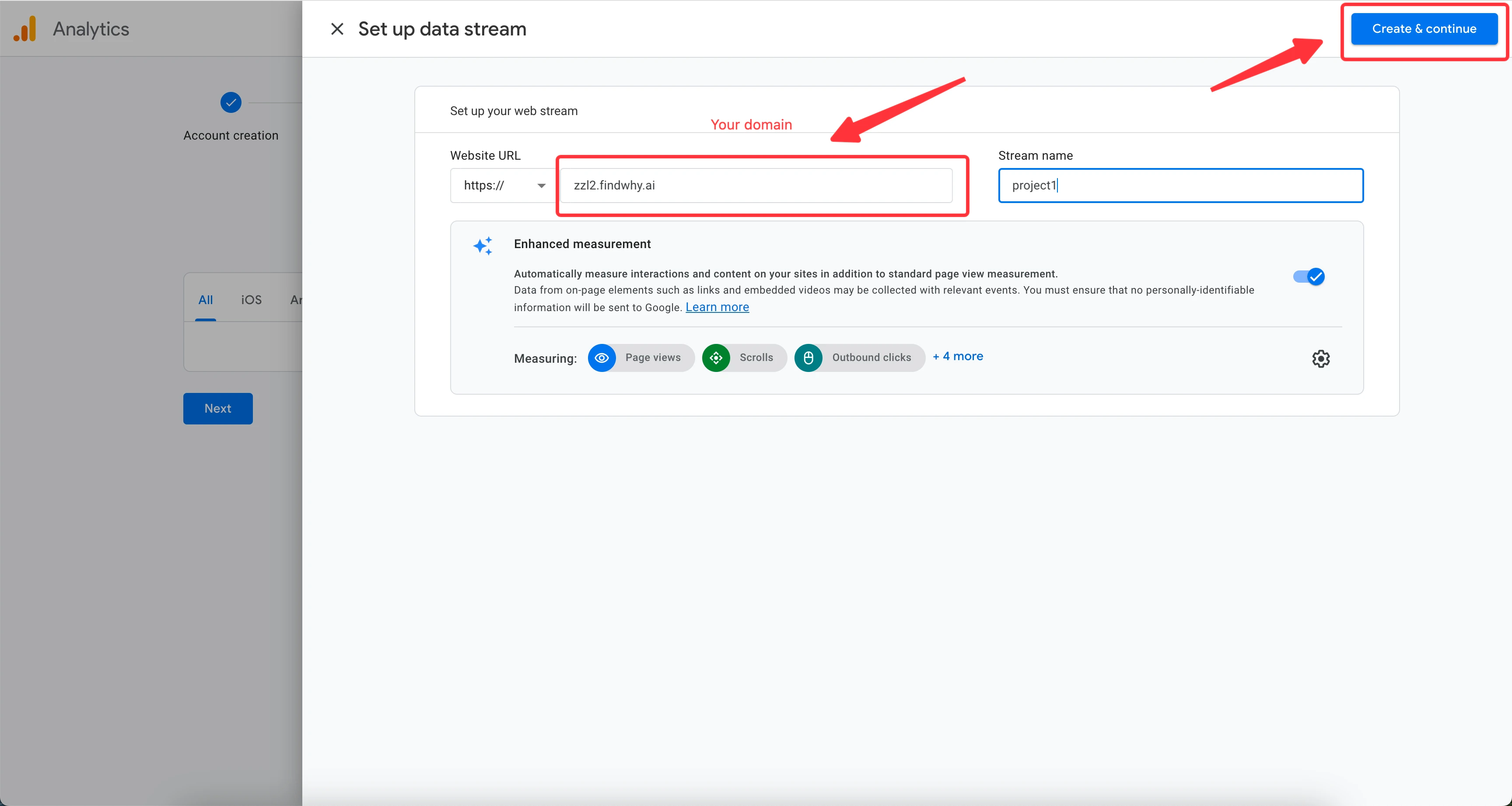
Enter your published domain and give your Data Stream a name. Then click “Create and Continue”.
Make sure your project domain is successfully published.
Enter your domain and stream name.
5
Step 5: Connect to Readdy
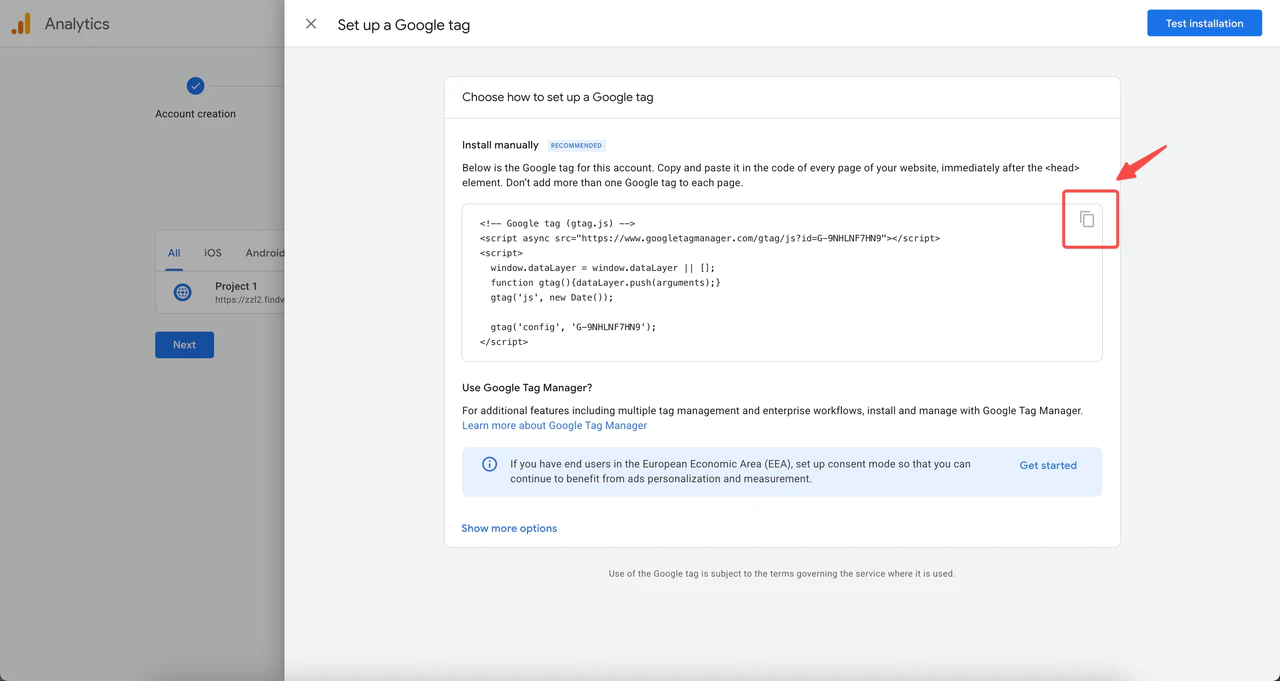
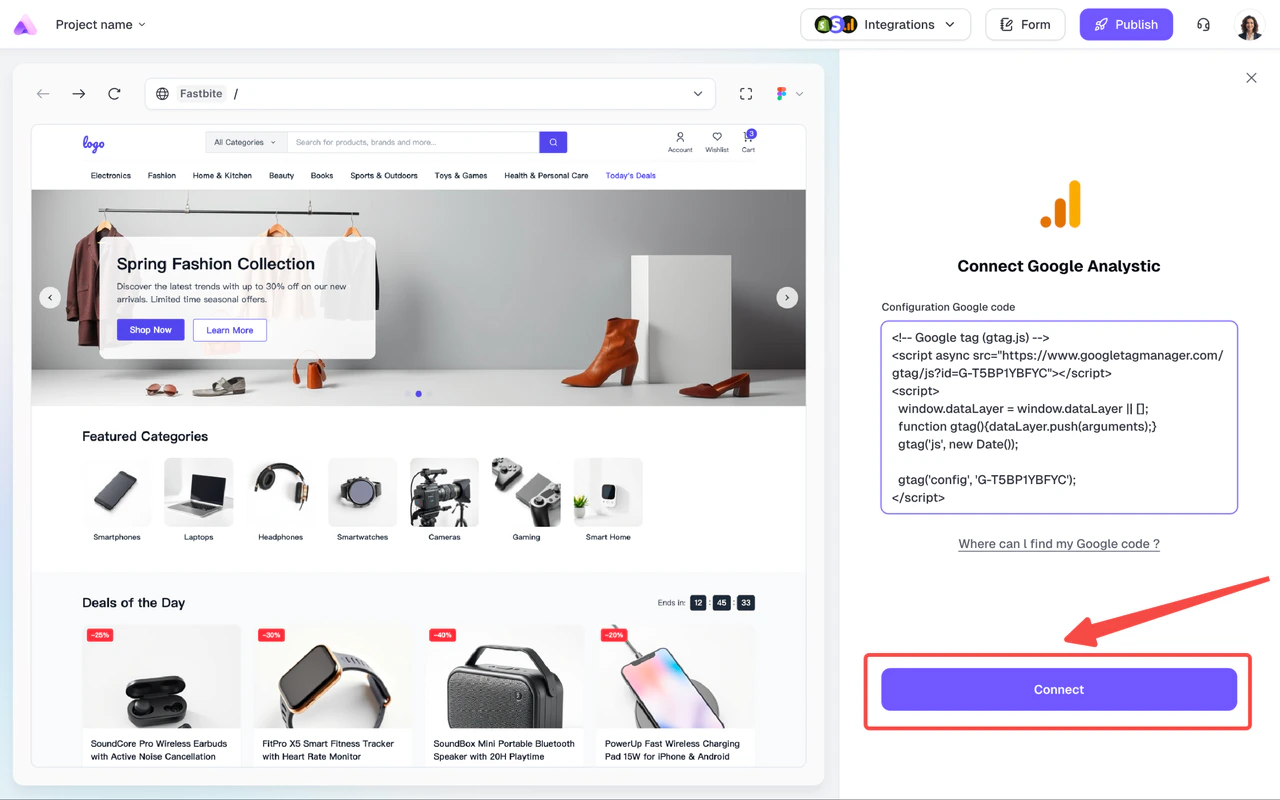
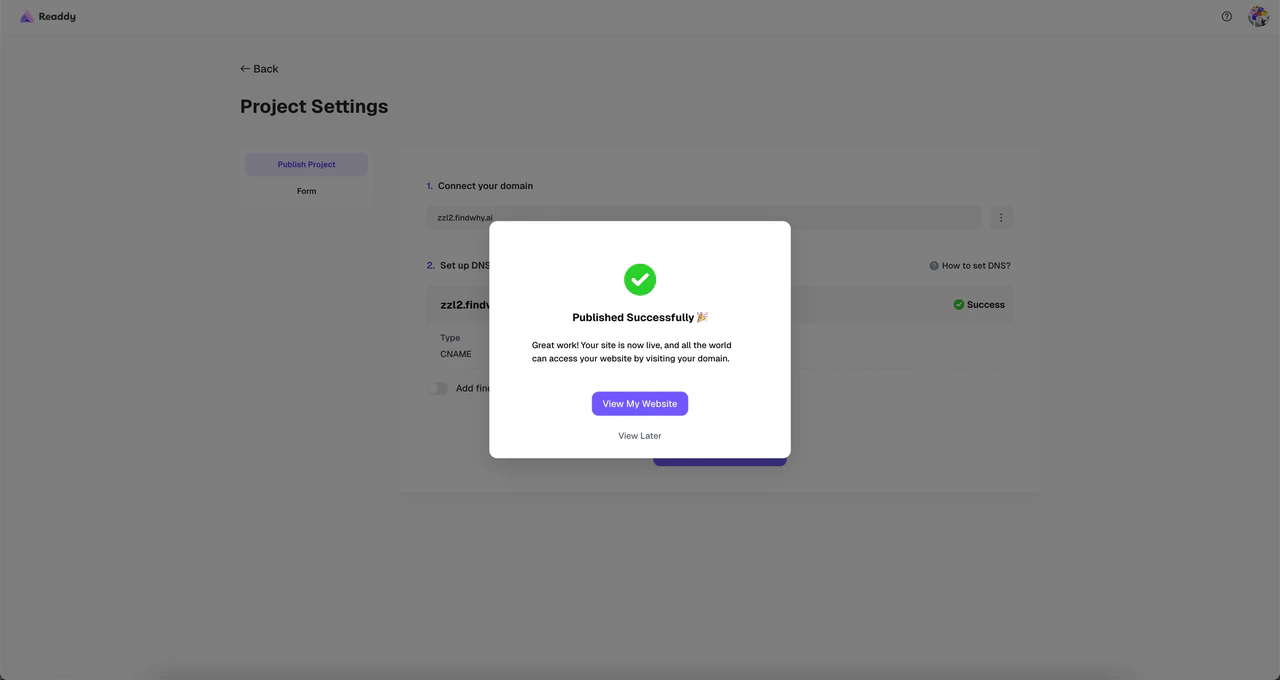
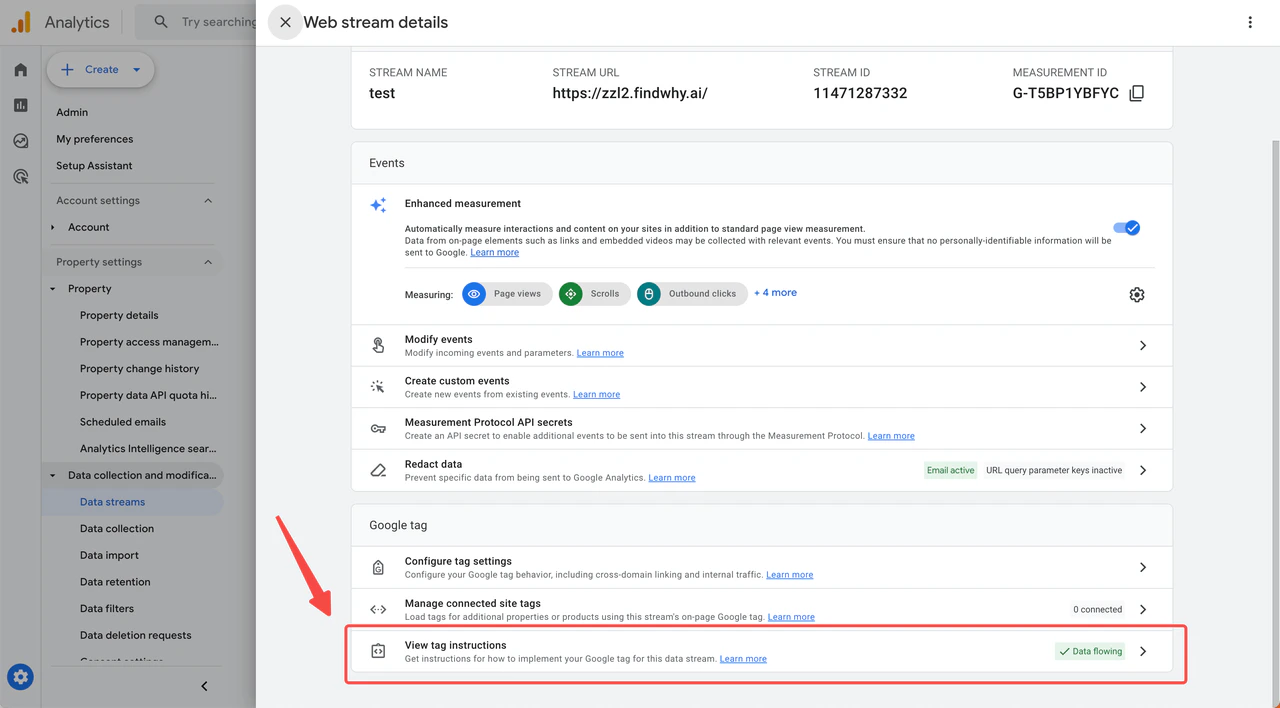
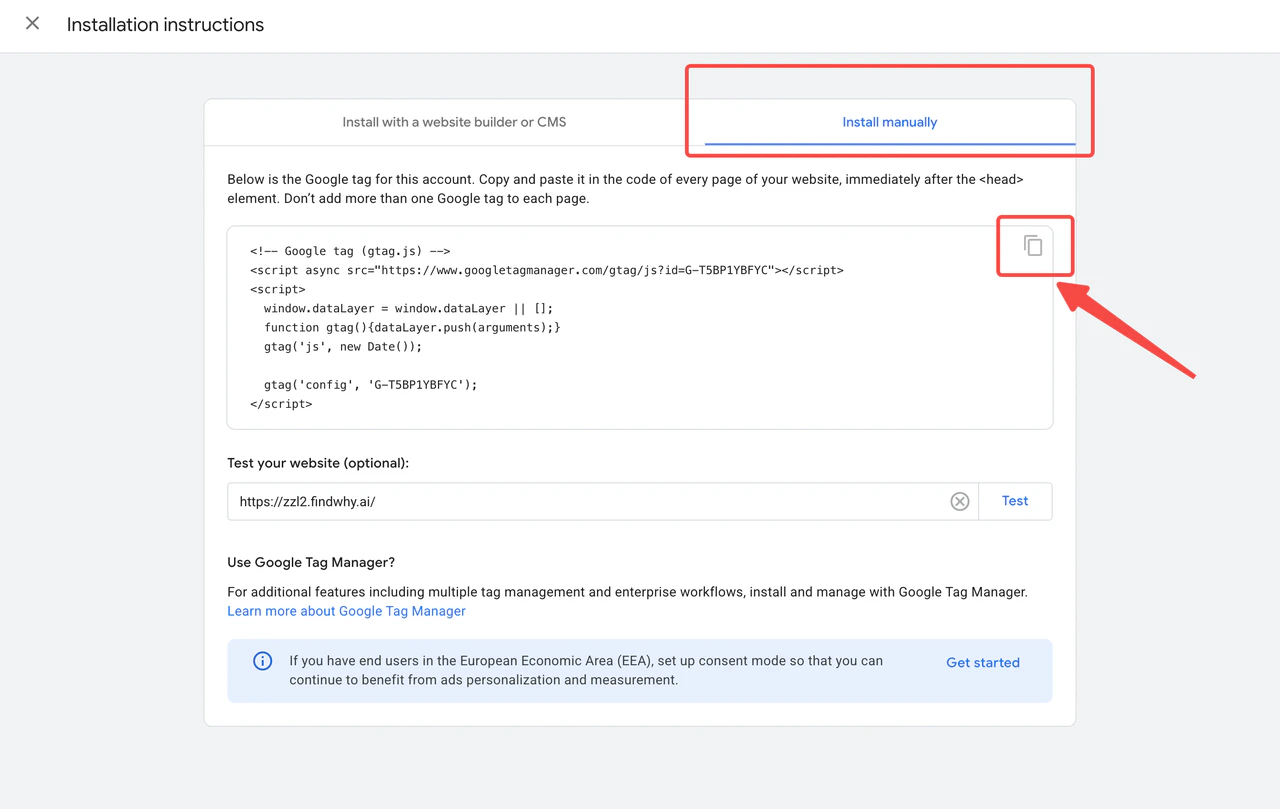
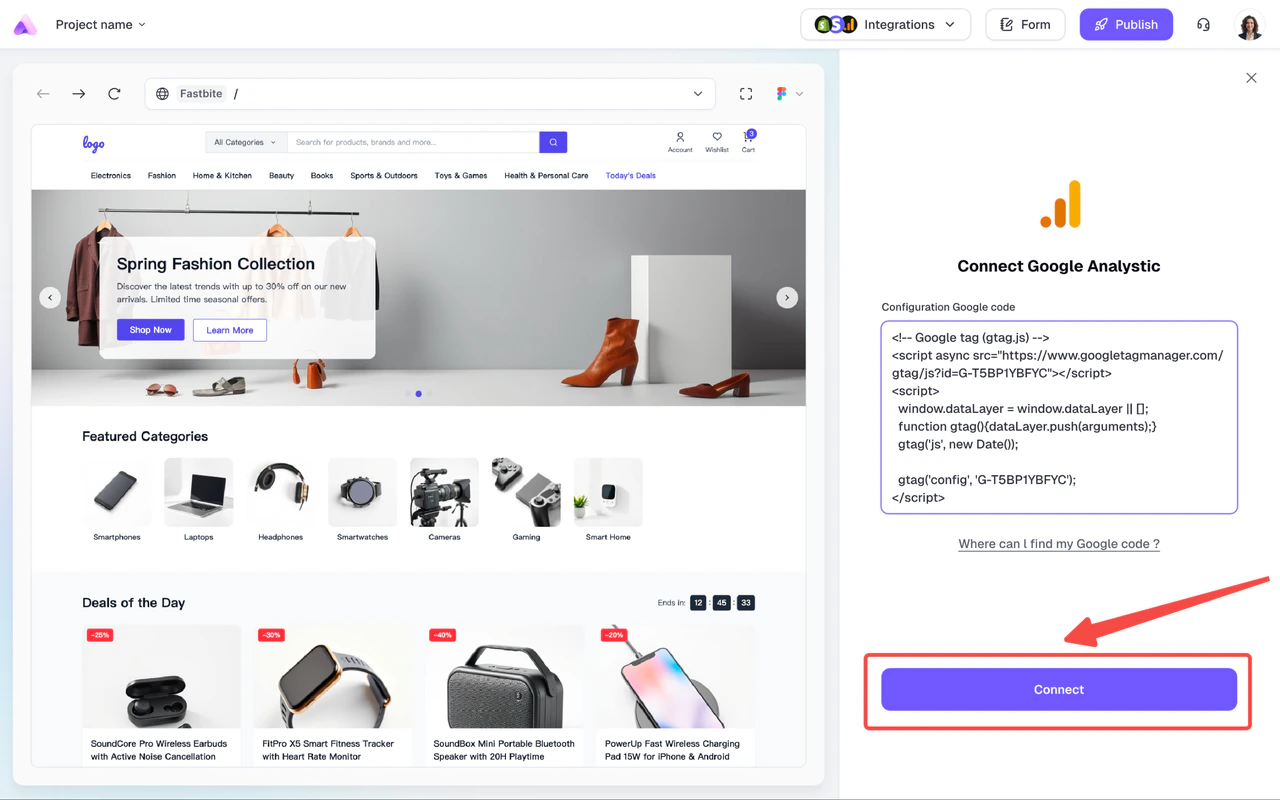
A popup will appear with your Google tag. Copy the code and paste it into the input field in Readdy. Click “Connect” to generate a new version. Don’t forget to re-publish your domain afterwards.
Copy code
Paste code
Re-publish your site
6
Step 6: Test Connection
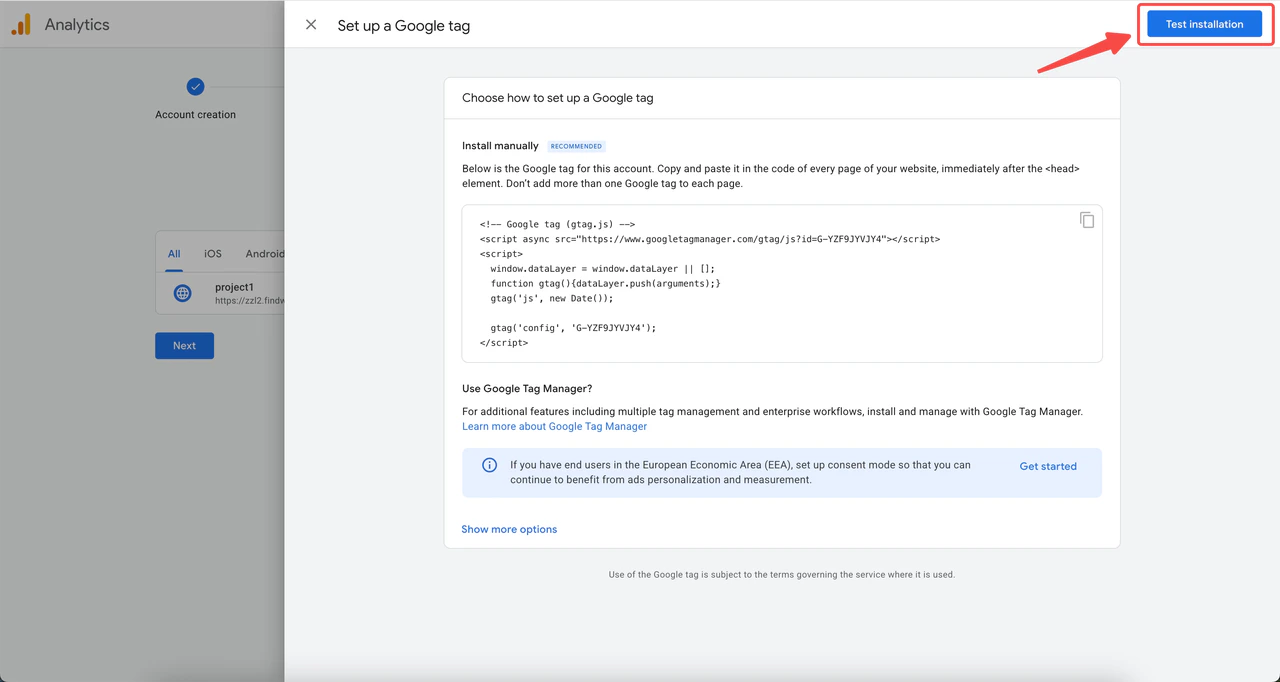
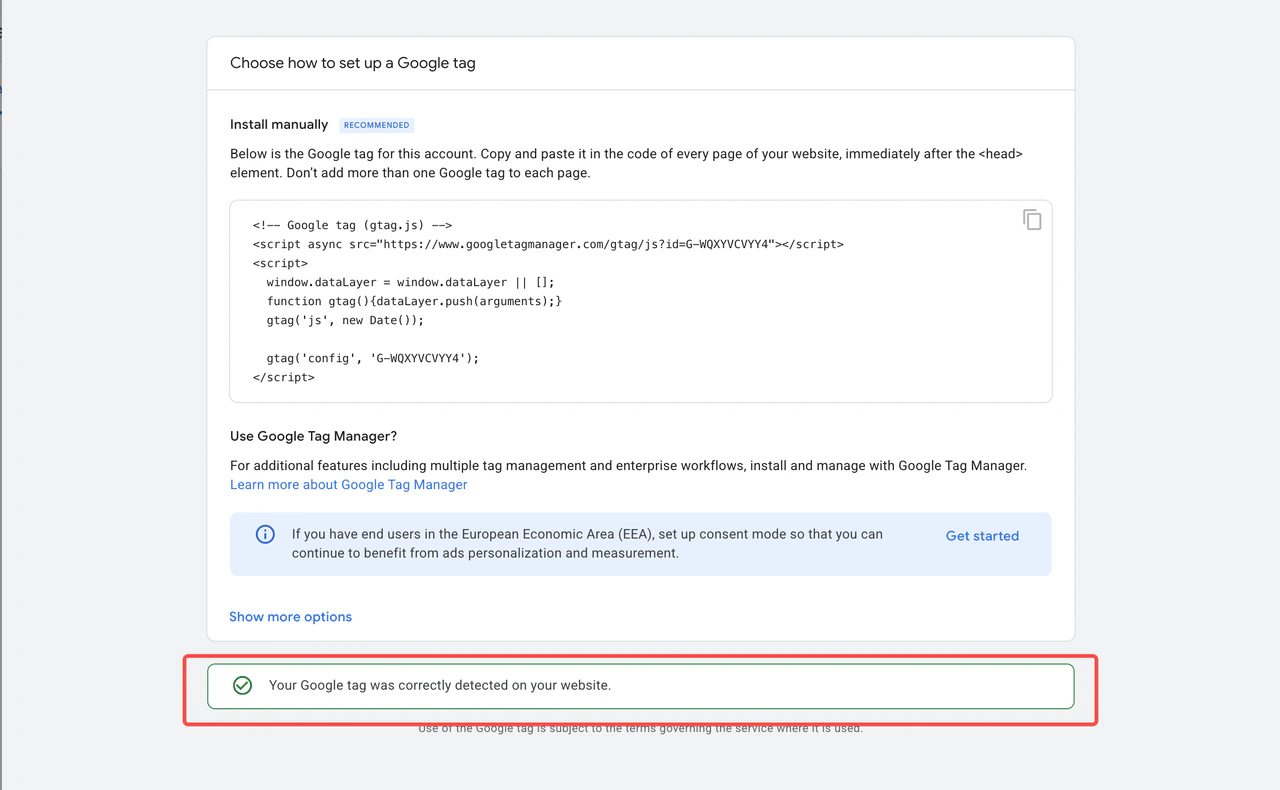
Back in GA, click “Test installation” to check if the connection is working.
Test installation in GA
🎉 Successfully connected to Google Analytics
7
Step 7: View Reports
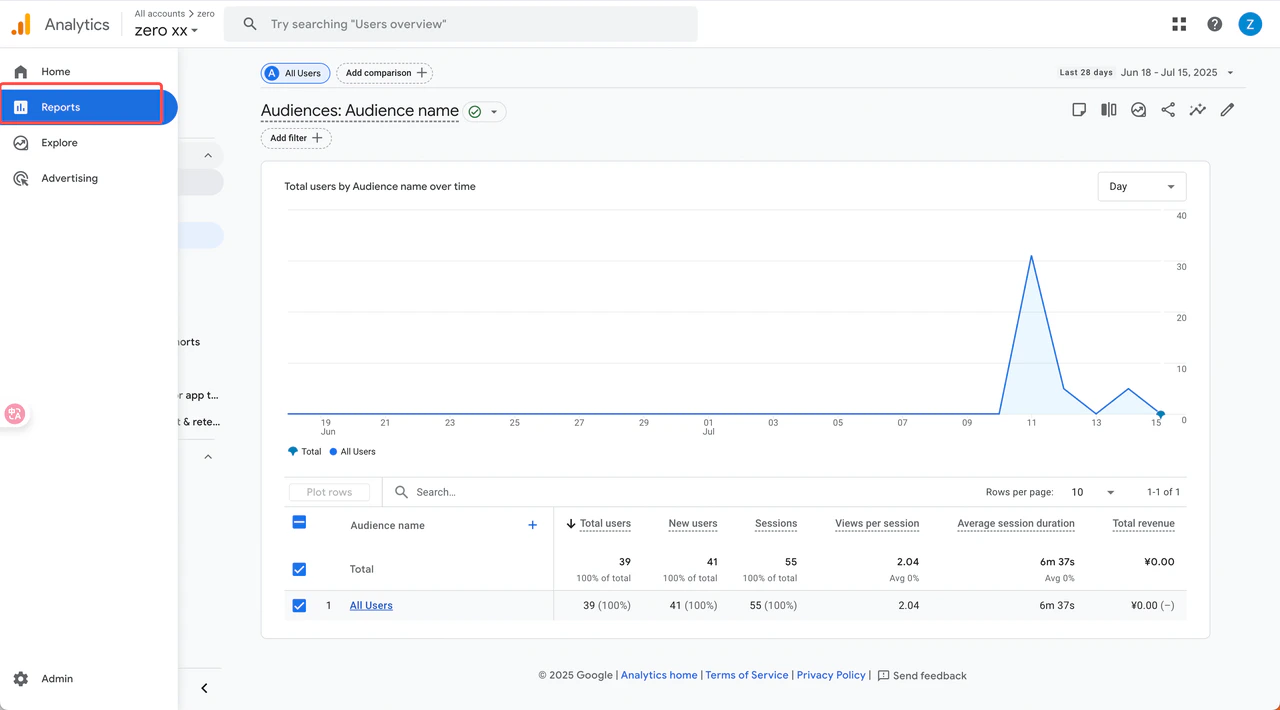
Once connected, GA will start collecting user data from your site. You can view reports under the “Reports” tab later.
Once connected, Google Analytics will start collecting user data from your site. You can view comprehensive reports under the “Reports” tab in your GA dashboard.